
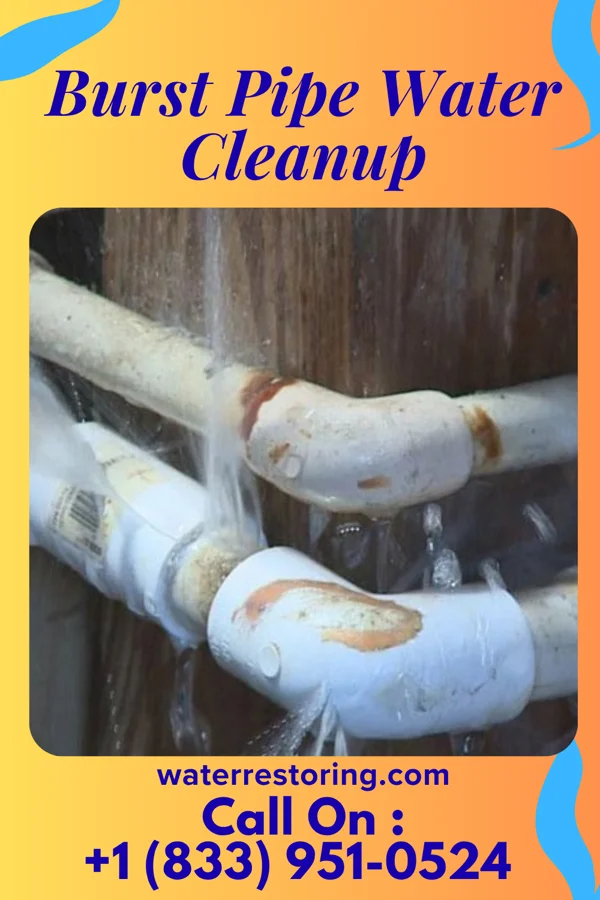
Why Burst Pipes Hit Watts Mills Hard
The pattern in Watts Mills is consistent. Watts Mills, located in Laurens County, experiences a mix of rural and small-town infrastructure, which can lead to older plumbing systems in homes and businesses. The area's rural setting means that some properties may have outdated or undersized pipes, increasing the likelihood of bursts during periods of high water pressure or temperature fluctuations. drives most of the emergency restoration calls we get. A close second is In Watts Mills, the proximity to towns like Laurens and Clinton can result in shared water lines and potential cross-contamination risks. Additionally, the presence of agricultural land and seasonal irrigation can cause fluctuations in water usage, putting extra strain on local water systems and increasing the risk of pipe bursts..
Watts Mills experiences a humid subtropical climate with frequent rainfall, which can lead to water infiltration and increased pressure on underground pipes. The combination of high humidity and frequent thunderstorms in the summer months contributes to a higher risk of pipe bursts and water damage.
Watts Mills experiences a humid subtropical climate with frequent rainfall, which can lead to water infiltration and increased pressure on underground pipes. The combination of high humidity and frequent thunderstorms in the summer months contributes to a higher risk of pipe bursts and water damage. The dominant local driver is Watts Mills, located in Laurens County, experiences a mix of rural and small-town infrastructure, which can lead to older plumbing systems in homes and businesses. The area's rural setting means that some properties may have outdated or undersized pipes, increasing the likelihood of bursts during periods of high water pressure or temperature fluctuations., with In Watts Mills, the proximity to towns like Laurens and Clinton can result in shared water lines and potential cross-contamination risks. Additionally, the presence of agricultural land and seasonal irrigation can cause fluctuations in water usage, putting extra strain on local water systems and increasing the risk of pipe bursts. showing up as the next most common cause. Damage builds in stages. Spread. Absorption. Microbial growth. Structural compromise. Every stage you pass through adds to the final bill.